
I believe data centres are good for our future. They run the services businesses, schools and families already depend on, and they’re part of where technology is going. Communities like ours can get involved and help shape how they’re built, or we can watch those investment decisions happen somewhere else. I’d rather Hinton and Yellowhead County be part of the conversation early enough to set our own terms.
If you’re scouting an Alberta data centre site, I’d start with the former Obed Mountain coal mine and nearby transload area east of Hinton in Yellowhead County. The former Cardinal River mine near Cadomin is a second option, though I see stronger potential there for tourism. At Obed, the first questions I’d ask are how much firm power can be delivered, whether two independent fibre routes are possible, what cooling would require, and which land can be reused under existing reclamation commitments.
I’m an advocate for Hinton and for Yellowhead County as a whole. When I look at what we already have here, two former industrial areas come to mind. Obed is where I’d start. The former Teck mine near Cadomin is second on my list, although I see a stronger long-term case for tourism there.
1. Obed Mountain near Hinton, Alberta
Open the approximate Obed Mountain mine pin in Google Maps
Open the Wayfinder transload and concrete dome site pin in Google Maps
The old Obed Mountain coal mine and the nearby transload area are close to Hinton and away from residential neighbourhoods. That gives us a starting point for an industrial project while keeping workers within reach of town. I’d look at the mine and transload area together, then work out which parcels could actually be used and what reclamation commitments apply.
Turning Point Generation’s Canyon Creek pumped hydro proposal is one reason the area caught my attention. TC Energy later described a design that would have used the elevation difference between the former mine area and a lower reservoir near the Athabasca River to store electricity. Alberta’s project registry lists the proposal as cancelled in 2025. That history still gives us a concrete example of how someone looked at the same landscape and saw another use for it. TC Energy project overview. Alberta Major Projects listing.
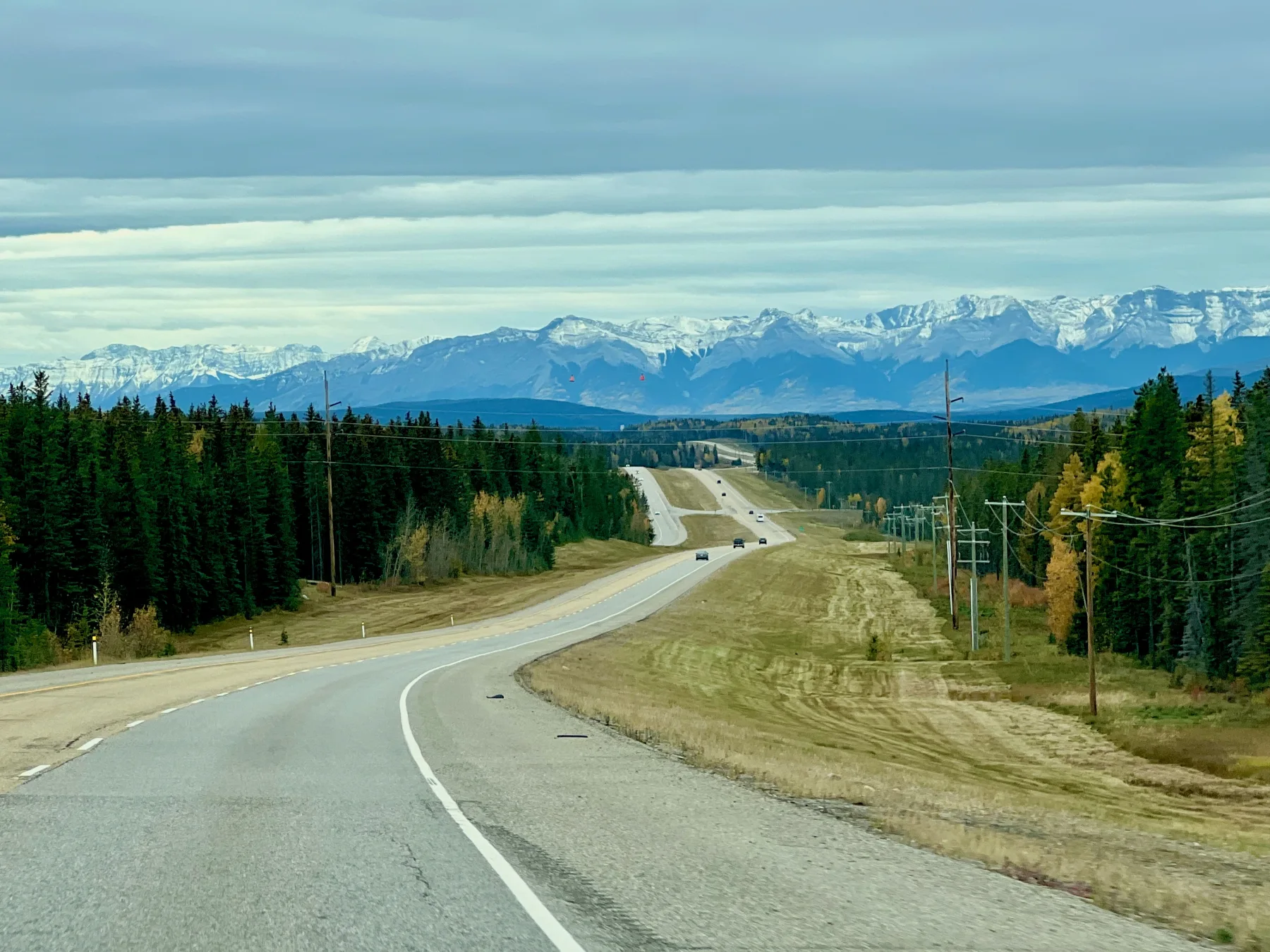
The south-facing shelf I’d study for solar runs along the distant ridgeline visible from Highway 16 near Pedley. Start with the Obed Mountain mine area in satellite view to get your bearings. Then open the Highway 16 viewpoint and look past the buildings in the foreground toward the long ridge on the horizon. That ridge is the reference point for the south-facing shelf I have in mind. A site study would need to confirm how much of the shelf is usable and how much sun it gets through the year. Open the Highway 16 viewpoint in Google Maps.
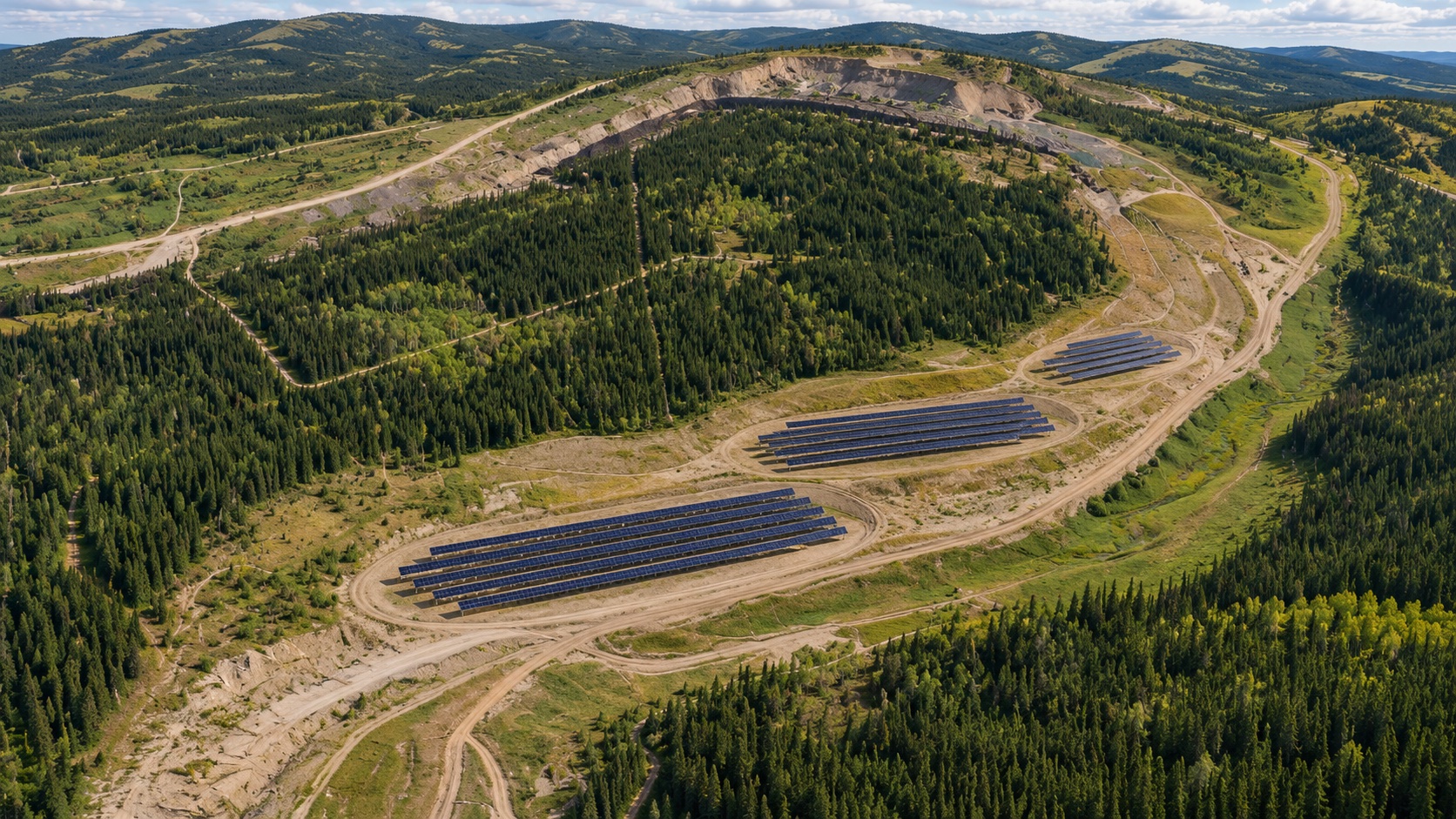
I’d also look at what we can learn from Novus Earth’s Latitude 53 geothermal work in the Hinton area. The geothermal proposal is a separate project. Its value to this conversation is the regional work already done to understand the resource. For a data centre, we’d still need a firm power plan. I’d check whether any of the old electrical infrastructure or substation can be reused, what capacity the grid can deliver, and whether nearby natural gas lines could support a turbine if the economics, emissions and approvals make sense. Town of Hinton geothermal project history.
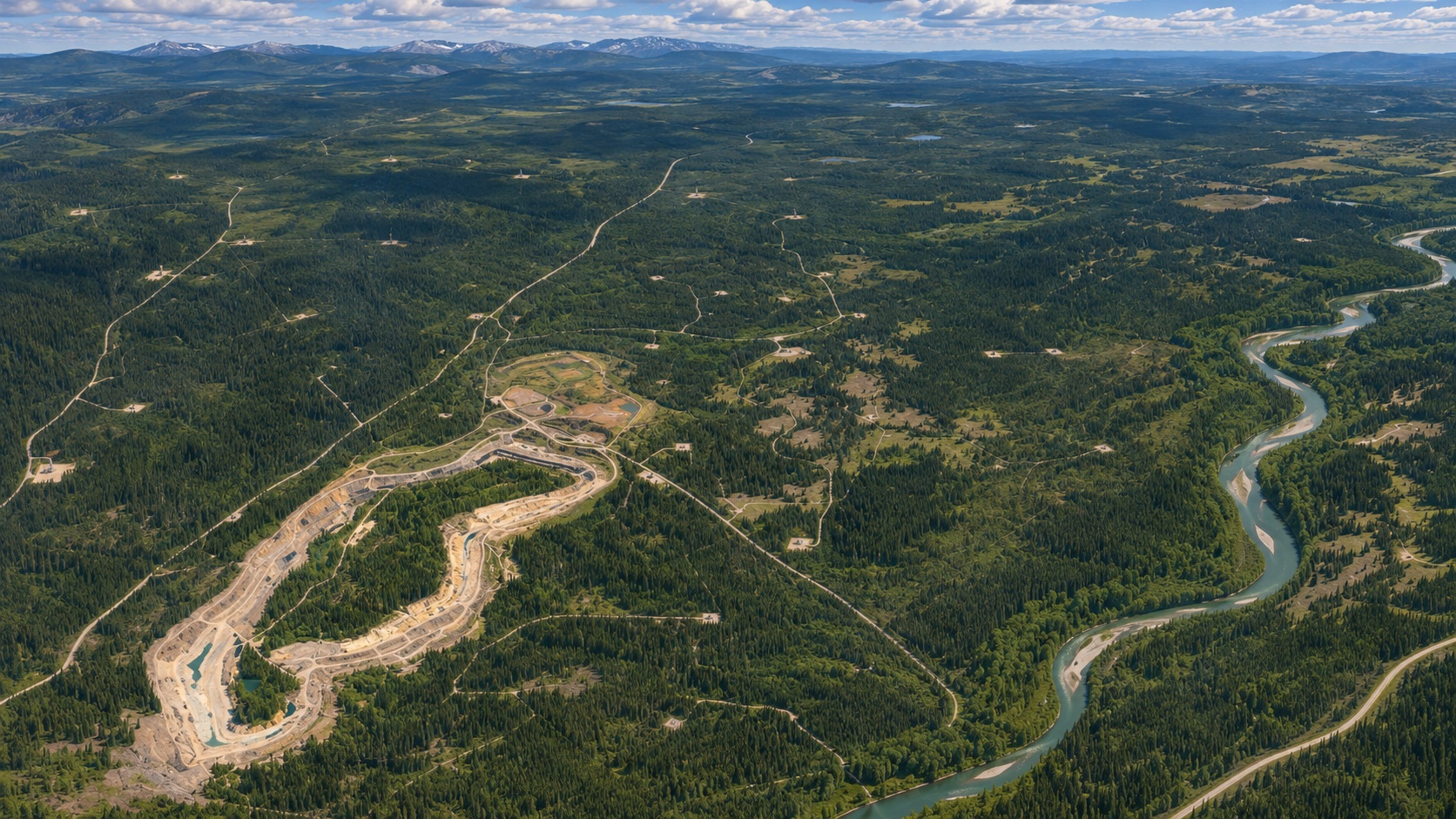
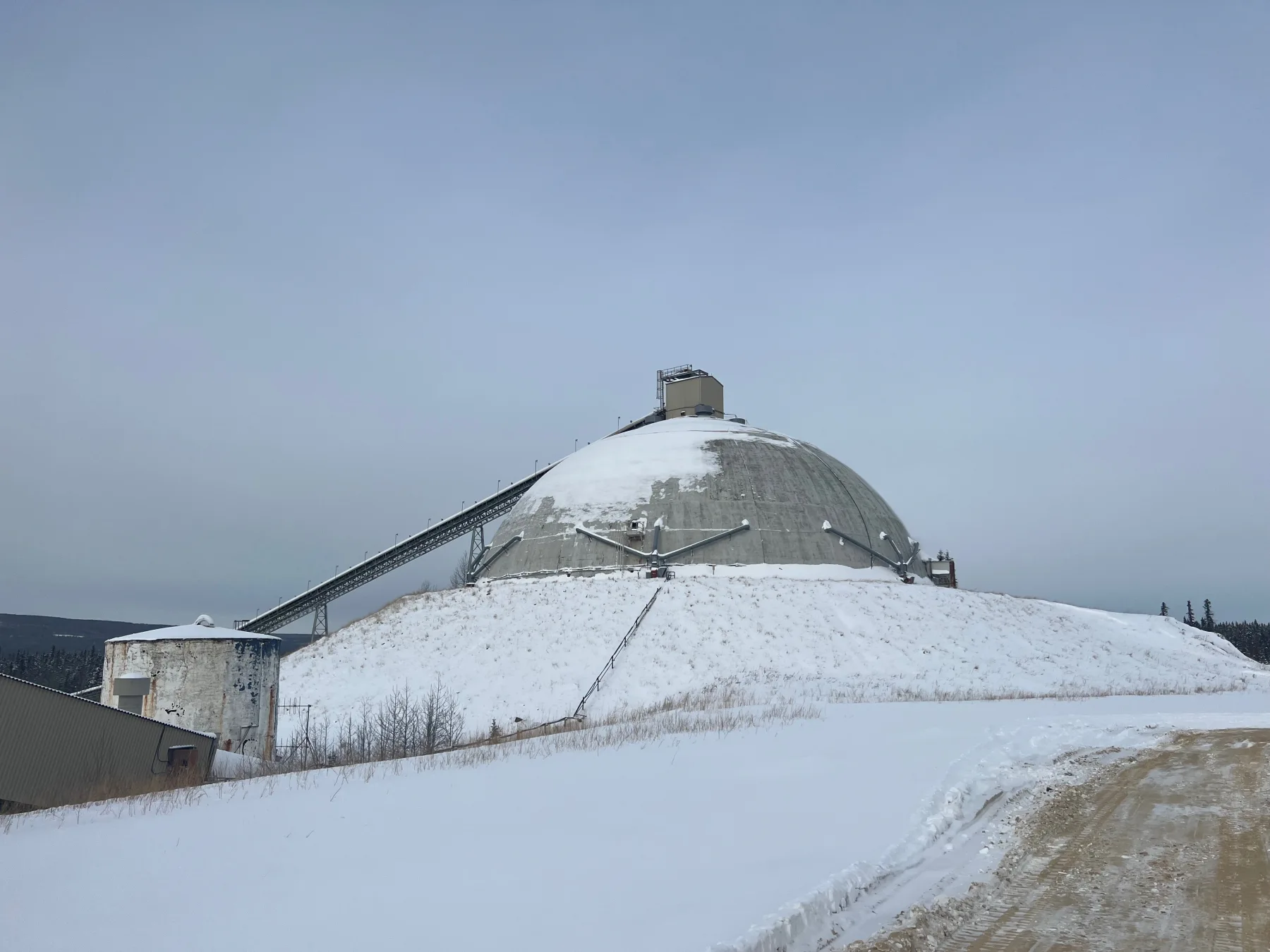
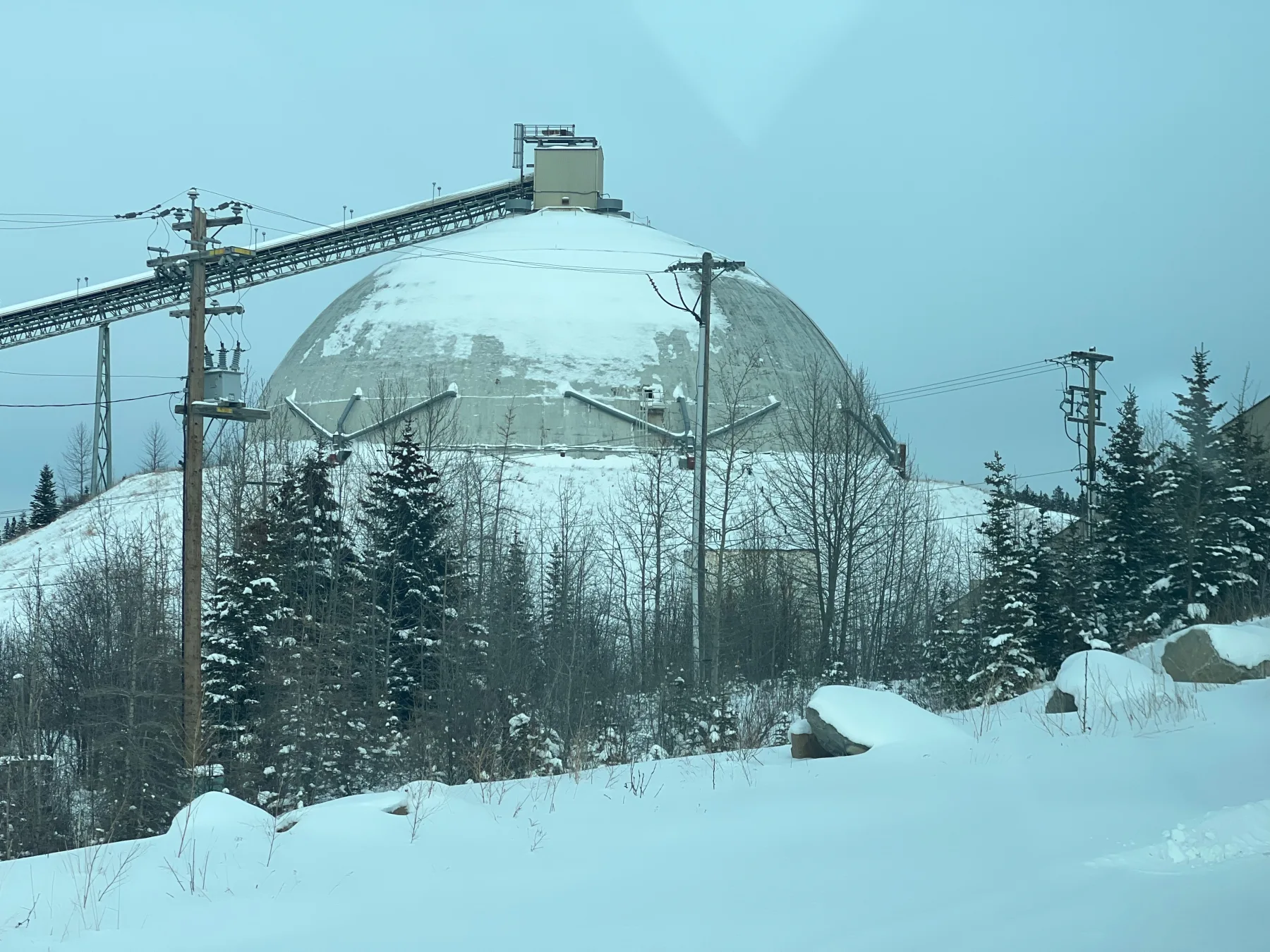
The practical details matter just as much. I’d verify whether Alberta SuperNet or another carrier can serve the site, and whether we can get a second fibre route. I’d ask what the rail siding at the transload site could handle during construction, from inbound equipment to staging materials. The concrete dome and transload site are about five minutes off Highway 16. My understanding is that the dome is still owned by Wayfinder Corp., which announced its acquisition of the Obed transload facility in 2016. I understand there’s also a 4,160-volt electrical service already at the site. That gives a developer something concrete to work into early construction planning, once current ownership, service status and available capacity are confirmed. I’d also have an engineer look at the dome itself. Wayfinder’s acquisition announcement. If it’s available and structurally suitable, it could serve as offices or an interpretive space. Using it for computing equipment would depend on whether it can meet the facility’s power, cooling and security requirements.
The Athabasca River is nearby, and that makes water stewardship part of the discussion from day one. I’d want to compare cooling designs and understand water demand, watershed impacts and the mine’s reclamation obligations before settling on a site plan. The 2013 Obed mine spill is part of this site’s history, and any proposal should be open about how it will protect the river. Alberta Energy Regulator record.
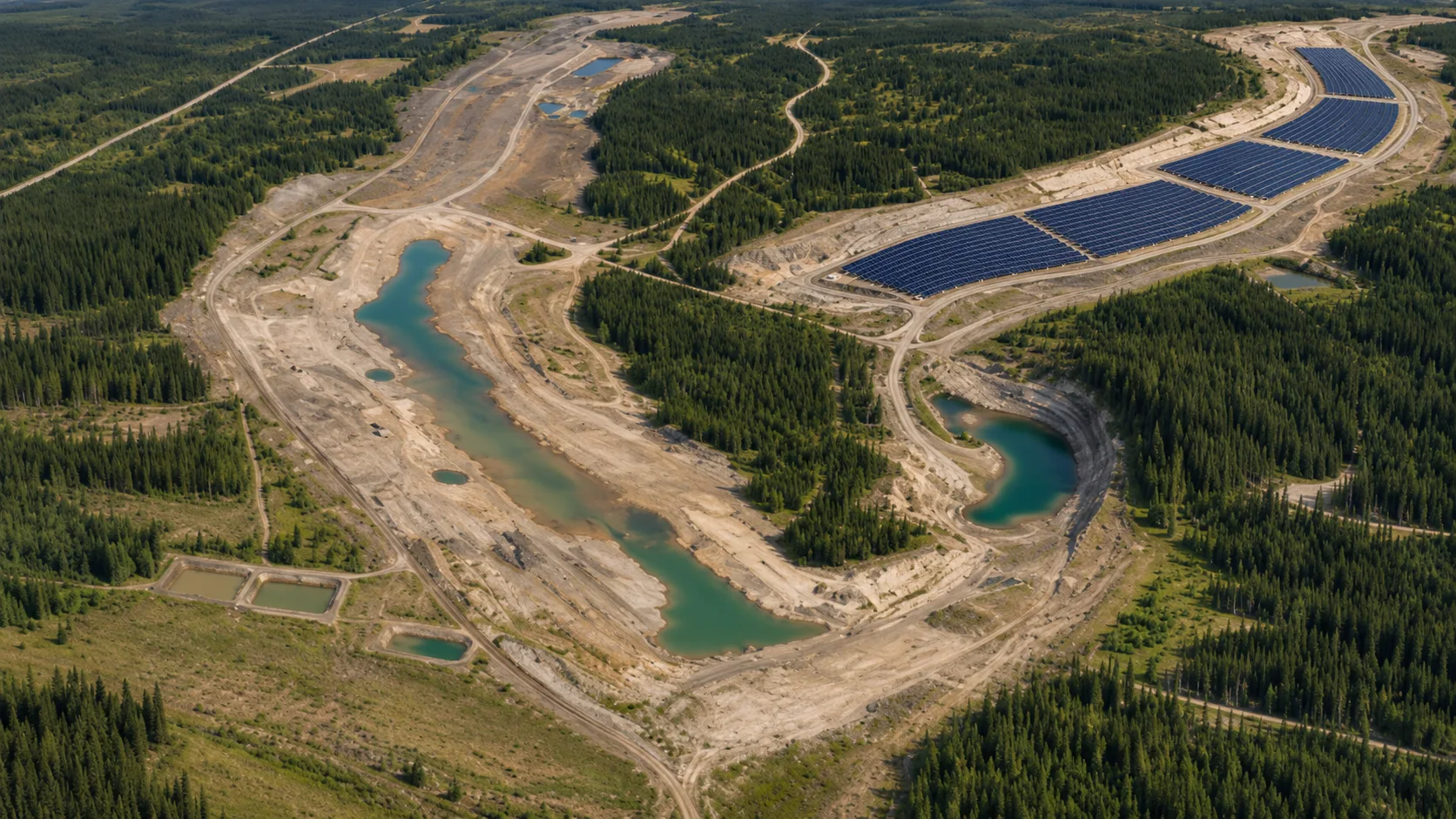
My vision is bigger than the server building. I’d like to see a public learning space, separate from the secure operations, where schools and visitors can stop in and see how a former coal site was repurposed. We could explain how a data centre works, how solar and geothermal might fit into the local energy mix, and how pumped storage works using Canyon Creek as a local example. I’d like local students to come away with a sense of the jobs and skills that could let them build a career here.
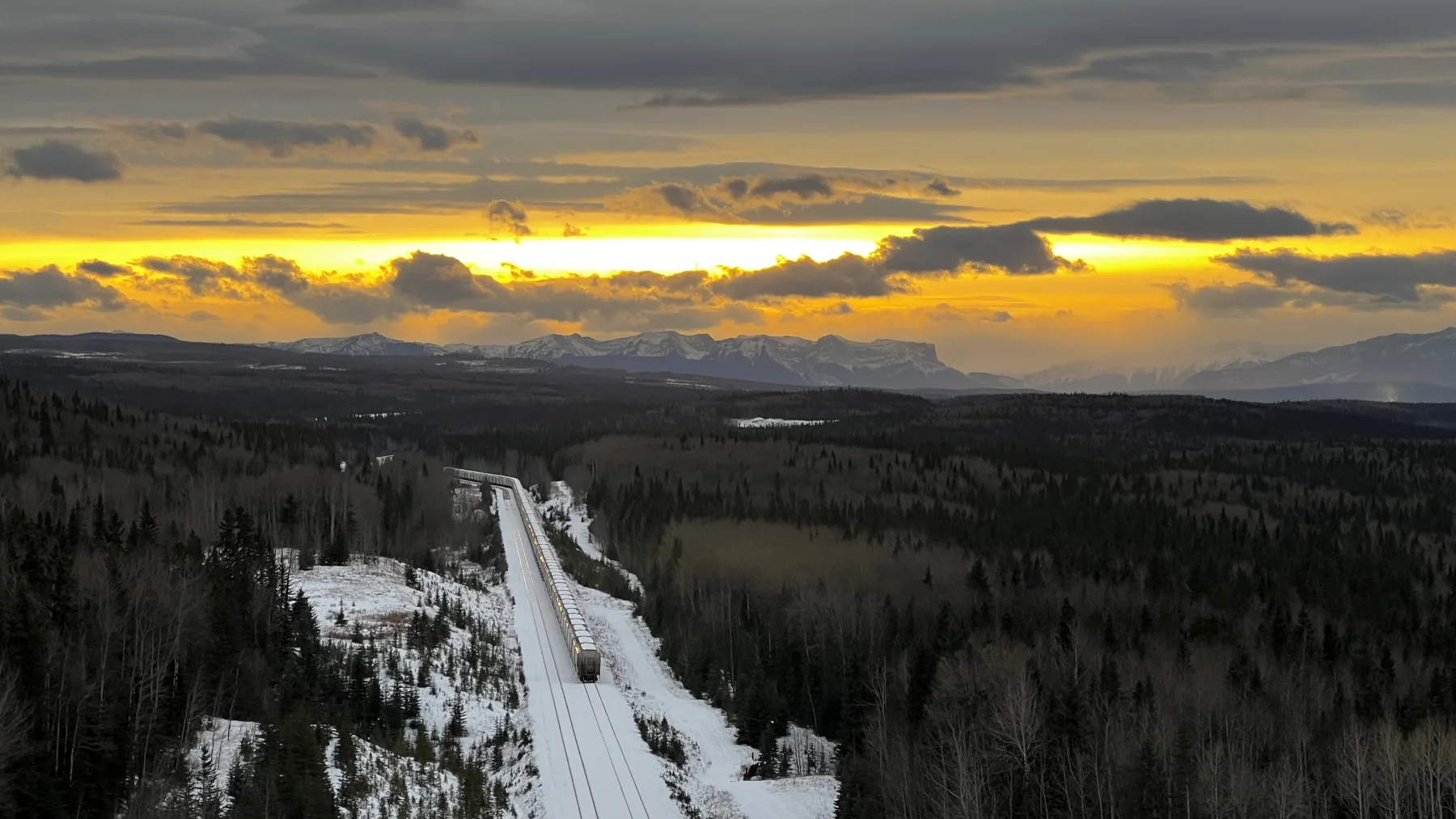
Obed and Wayfinder in my photos
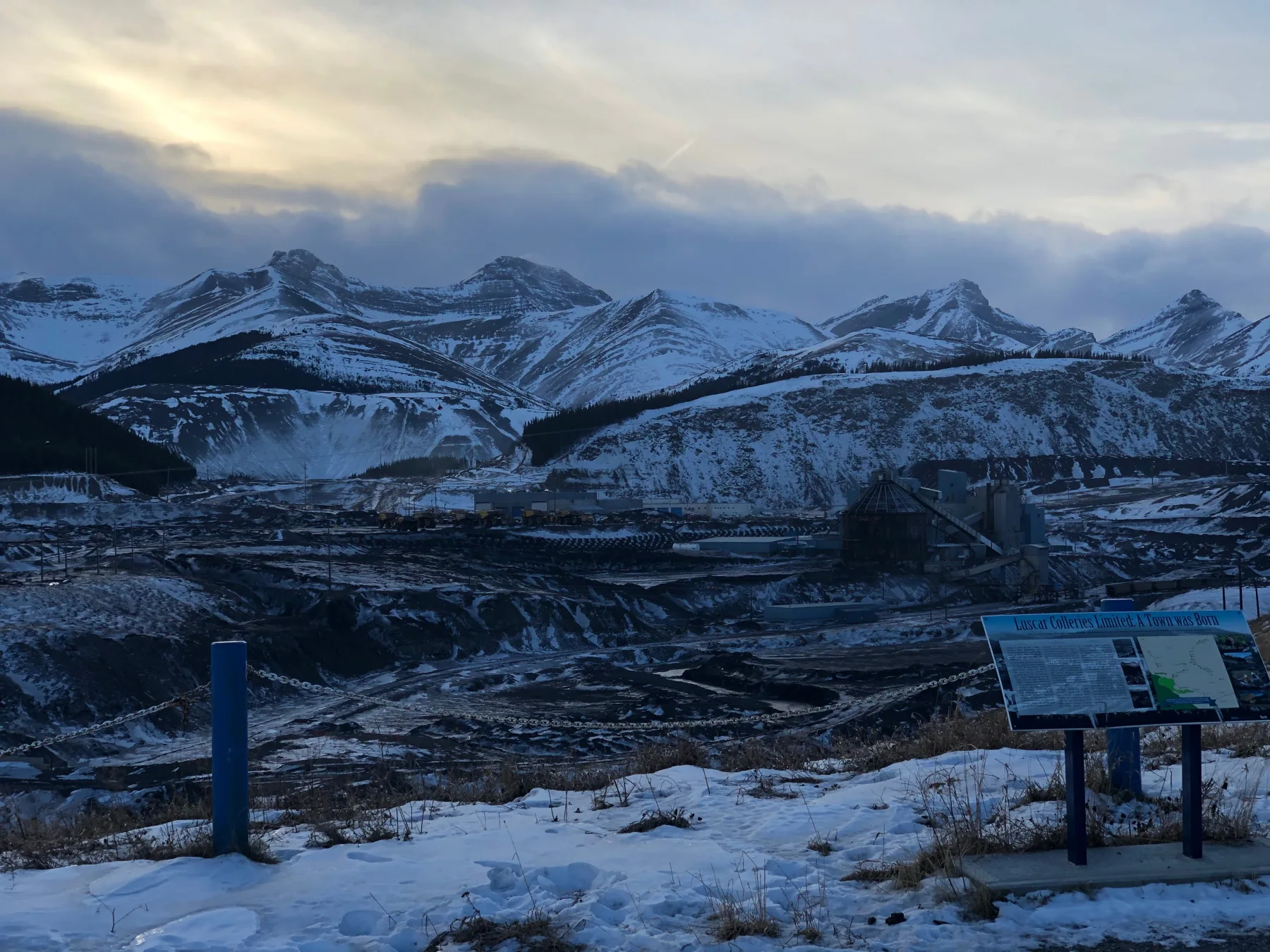
2. Former Cardinal River mine near Cadomin, Alberta
Open the approximate Luscar and Cardinal River area pin in Google Maps
There’s a certain appeal in putting tech on a former Teck site. The mountain setting is gorgeous, and if a project could support nearby housing for technicians, I can see why people would want to live and work in the area. It earns a spot on my list because reusing an industrial footprint is worth looking at. I have more questions here about power, fibre, road access and the services a year-round operation would need.
If I were choosing the best future use for the Cadomin area, I’d put tourism first. With the mountains, trails and water filling some of the old pits, I can picture a four-season destination. What that could include would depend on reclamation, water quality, slope safety and where public access can be provided. Elk Valley Resources describes Cardinal River as being in active closure, with recreation among several goals for the reclaimed landscape. I’d start with those commitments and with what Cadomin residents and Indigenous communities want for the area. Elk Valley Resources closure and access information.
Why I’d put four-season tourism first at Cadomin
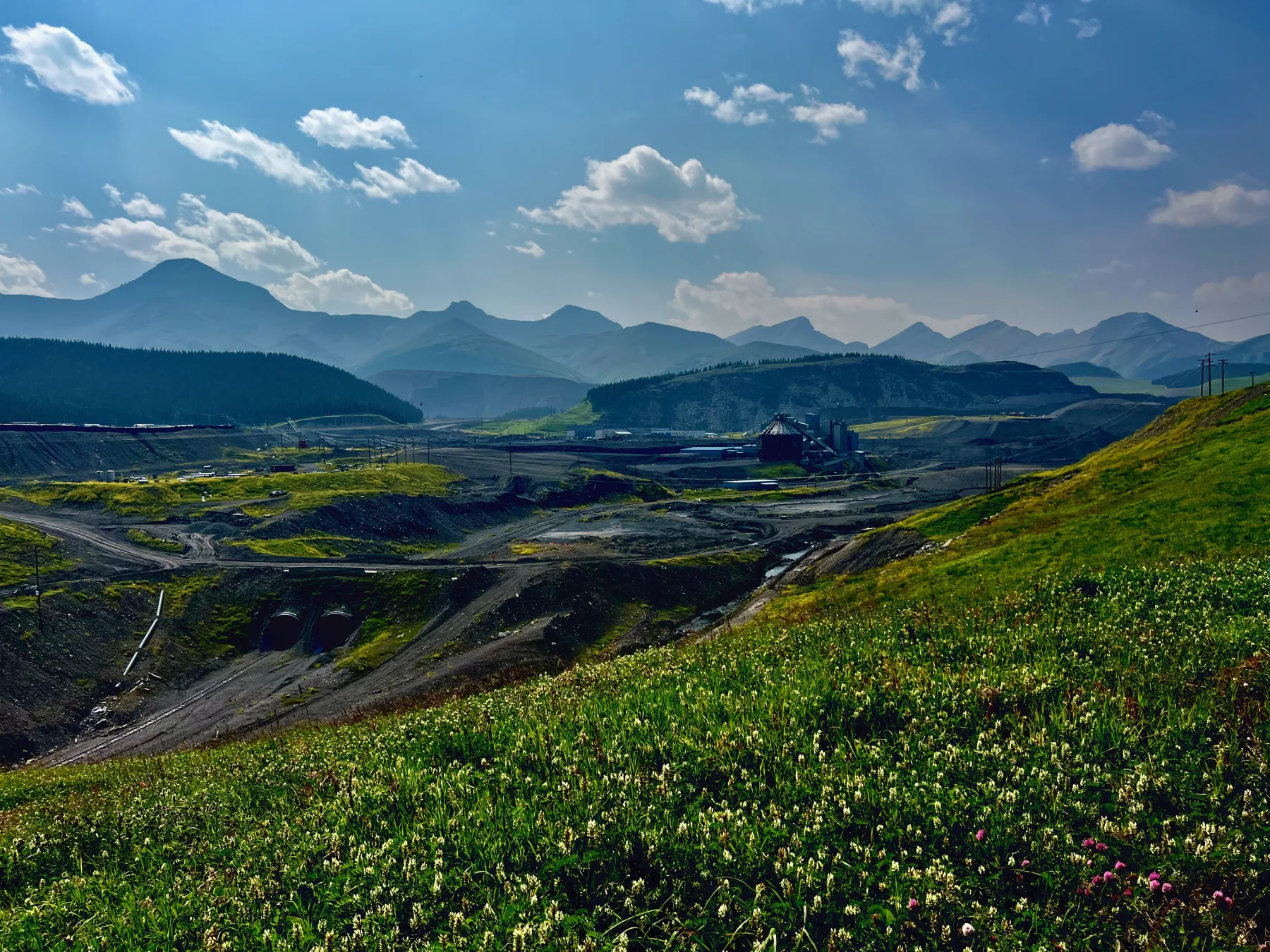
Look at my two photos of Luscar, one with green slopes and one with snow across the same mountain backdrop. That’s what sells me on Cadomin. I can picture hiking, biking and mining history walks in the warmer months, then snowshoeing or cross-country skiing on routes that could be safely opened and maintained in winter. A designated overlook could tell the story of the mine and how the land is being reclaimed. In time, that could give local guides and small businesses a reason to serve visitors beyond the summer season.
A data centre would need firm power, redundant fibre and dependable year-round access. I’d start that search at Obed. At Cadomin, the mountains, changing seasons and mining history are the draw. I’d start by asking residents and Indigenous communities what they’d want to share with visitors, and work with the land managers to identify areas that could safely support it.
Hinton can be a place tech workers choose to live
When I say Hinton could be the next Canmore, I’m thinking about why people choose to put down roots in a mountain town. We have a beautiful backdrop, hiking and biking trails, and room for people to build a life around the outdoors. Add good jobs, housing people can afford and services that grow with the town, and I believe Hinton can attract people who have a choice about where they work. We can do that in a way that feels like Hinton.
I’d like to see Hinton and Yellowhead County bring landowners, utilities, fibre providers and local businesses into an early conversation about Obed. Start with a site study and get real answers on power, fibre, water and reclamation. Then ask what an operator would commit to in local hiring, training and purchasing. If the site checks out and the community sees a return that lasts beyond construction, I believe we have a real opportunity to turn a piece of our industrial past into part of our technology future.
If you’re curious about what this piece of land at Obed could become, a good place to start is a conversation with the West Yellowhead MLA’s office and Yellowhead County. Ask them about the opportunities this site holds, and tell them Nate from Logic sent you.