
The best light bulb is not always the brightest one. Good lighting is the right colour temperature, the right output, and the right fixture for the space.
Start With Kelvin, Not Just Watts
For years, most people chose light bulbs by wattage. A 60 watt bulb felt normal, a 100 watt bulb felt bright, and that was about the end of the conversation. LED lighting changed that. Today, wattage mostly tells you how much power the bulb uses. The number that tells you how the light will feel is Kelvin, usually shown as 2700K, 3000K, 4000K, or 5000K.
Kelvin is the colour temperature of the light. Lower numbers look warmer and more yellow. Higher numbers look cooler and whiter. That one detail can make a room feel comfortable, harsh, clean, cozy, or clinical.
A simple way to think about it:
- 2700K to 3000K: warm white, best for living rooms, bedrooms, dining areas, and relaxed spaces.
- 3500K: neutral warm, useful when you want a cleaner look without making the room feel cold.
- 4000K: neutral/cool white, great for kitchens, bathrooms, utility rooms, garages, offices, and work areas.
- 5000K: daylight, best for task-heavy areas, shops, mechanical rooms, detailed work benches, and places where seeing colour and detail matters.
A lot of people ask for 5000K because it sounds like more light. It is not always better. In a kitchen, garage, laundry room, or work area, 5000K can be excellent. In a living room or bedroom, it can feel sharp and uncomfortable, especially at night. For most homes, 3000K and 4000K do the heavy lifting, with 5000K saved for task spaces.
Room-by-Room Bulb Choices
- Living room: 2700K to 3000K. Use dimmable lamps, pot lights, or layered lighting so the space can relax in the evening.
- Kitchen: 3500K to 4000K for general lighting. Under-cabinet task lighting can be 4000K to help with prep work.
- Bathroom: 3500K to 4000K around mirrors. Avoid mixing warm vanity bulbs with cool ceiling lights.
- Bedroom: 2700K to 3000K. Warmer light is easier on the eyes before sleep.
- Home office: 3500K to 4000K. It keeps the space alert without feeling like a warehouse.
- Garage or shop: 4000K to 5000K. Use 5000K when detail, tools, labels, or inspections matter.
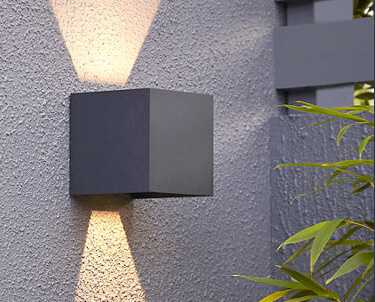
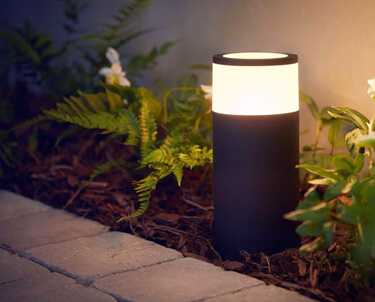
- Exterior lighting: 3000K to 4000K. Warmer exterior light is easier on neighbours and still provides security.
- Utility/mechanical room: 4000K to 5000K. Clear, bright light helps when reading labels or working around equipment.
LED Has Changed the Replacement Game
Modern LED bulbs use far less energy than incandescent or halogen bulbs, run cooler, and last much longer. But replacing bulbs is not always as simple as grabbing the cheapest LED on the shelf. You still need to match the bulb to the fixture, dimmer, enclosure, and room.
Before replacing older bulbs, check:
- Lumens: this is actual brightness. Use lumens instead of old wattage habits.
- Kelvin: choose the colour temperature for the room, not just the brightest-looking package.
- Dimmable rating: only use dimmable LED bulbs on dimmer switches.
- Enclosed fixture rating: some LEDs fail early if trapped in enclosed glass fixtures.
- Base type: confirm the screw base or pin base before buying replacements.
- Fixture condition: old sockets, overheating signs, buzzing dimmers, or flicker should be checked before repeated bulb changes.
When 5000K Makes Sense, and When It Does Not
Use 5000K when accuracy and visibility matter more than atmosphere. It works well in garages, shops, work benches, mechanical spaces, and some commercial areas. It can also help in task areas where people need to read small markings, inspect equipment, or work safely.
For most living spaces, 5000K is too crisp. It can make paint colours look different, make a room feel less inviting, and feel harsh in the evening. A better approach is to use 3000K for comfort areas, 4000K for clean task areas, and 5000K where work conditions call for it.
A Practical Replacement Method
If you are updating a whole home, do one room at a time. Start with the room function, pick a Kelvin range, then choose the brightness. Replace matching fixtures together so the room does not end up with mixed colours. If lights flicker, dim poorly, hum, or trip breakers, the problem may be the dimmer, fixture, connection, or circuit rather than the bulb.
Logic Control Ltd. can help with LED upgrades, dimmer compatibility, pot light replacement, exterior lighting, garage/shop lighting, and fixture troubleshooting. Good lighting should make the space safer, easier to use, and better to live in.